How we work

Services / UI/UX
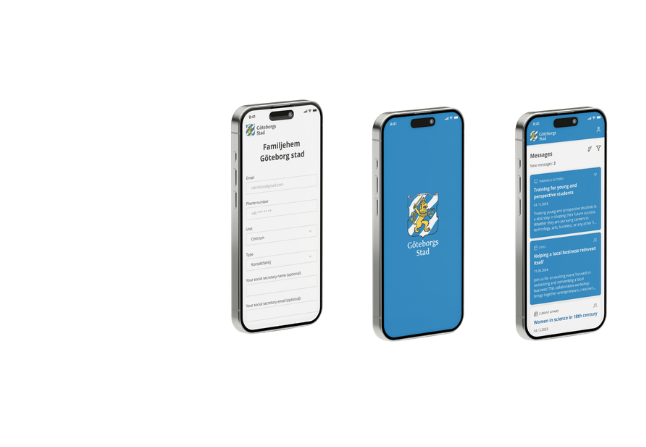
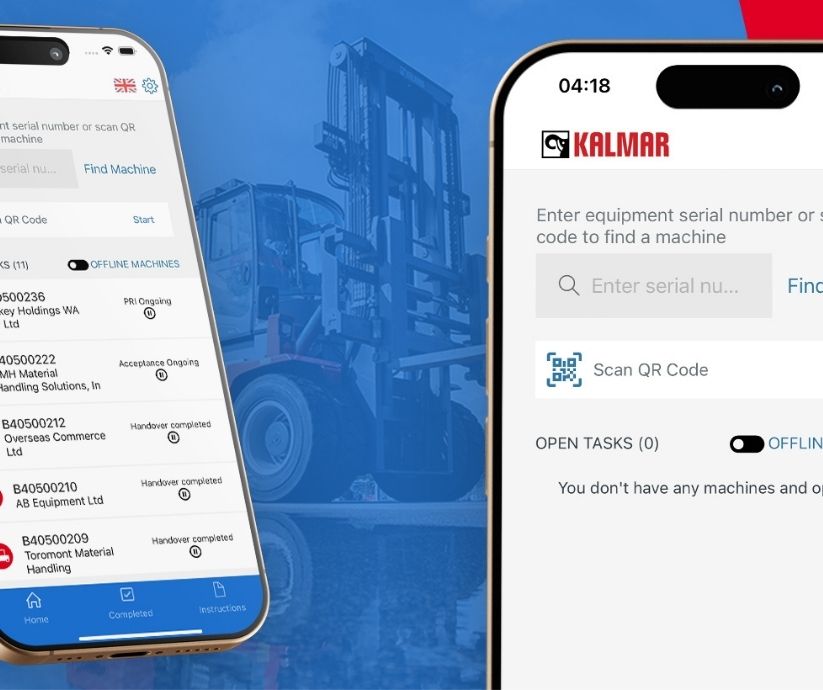
We design the products we build. Familjehem Göteborg's foster carers use ours daily with BankID and GDPR baked in. Kalmar's technicians use ours at ports worldwide in 17 languages. Aktarr's full redesign drove a 420% increase in organic traffic. The same team that designs the screens ships them, which is why our work makes it into production instead of staying in Figma.
Trusted by





WHAT WE DESIGN
We design products people actually use.
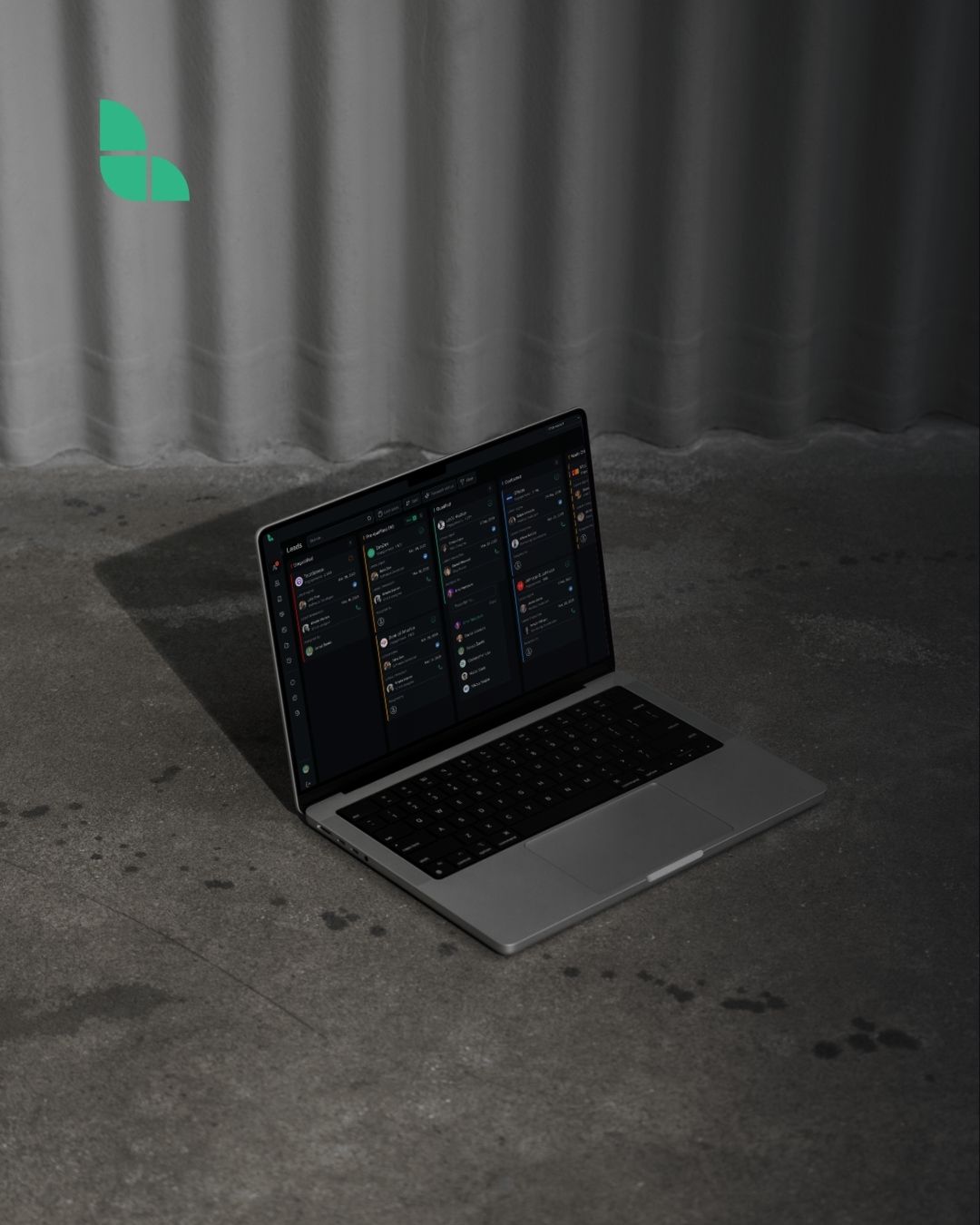
That includes SaaS interfaces evolving alongside 70,000 researchers (Avidnote), Chrome extensions and dashboards built from scratch (Linkbound), mobile field tools running at ports in 17 languages (Kalmar), public-sector platforms used daily by foster carers (Familjehem Göteborg).
B2B e-commerce platforms handling 35,000 products and 4,000 customers (Arvid Nilsson), and full website redesigns with Arabic RTL across thousands of pages (Aktarr, with a 420% organic traffic increase).
The work spans research, information architecture, wireframing, UI design, prototyping, design systems, accessibility, and localization.
We’ve designed claims portals for a Tier 1 European insurer (NDA), interfaces for a global industrial manufacturer (NDA), and product UX for an NDA-protected AI startup. Most projects mix several of these.
Almost none of them stay purely in the design phase. The team that designs the screens ships them.
HOW WE APPROACH DESIGN
Our designers sit next to the developers building the product. Design decisions get made with implementation in mind from day one, and edge cases get caught in wireframes instead of three sprints into development. The interface that ships looks like the interface that was designed.
Kalmar’s app supports 17 languages because the technicians using it speak 17 languages. Familjehem’s flows meet GDPR and public-sector accessibility standards because the users include people with limited tech experience handling sensitive data. We treat these as design constraints from the first sketch, not features to bolt on later.
Design is judged by what it does for the product. Aktarr’s redesign drove a 420% increase in organic social traffic. Arvid Nilsson’s B2B redesign cut sales-team time per order. Linkbound’s UX got users to $25K ARR in the first week. We design with business KPIs in scope from the start.
In their words

The PDT app was our first big step into the digital world using apps and Cloud solutions. By implementing this app, we could, with one tool, solve multiple issues that we had with our delivery process of new machines to our customers. The app helps us improve the machine quality, shorten our lead time and increase our cash flow.

Zendev understood our vision of connecting women with the right therapists. They improved the platform, were easy to collaborate with, and meeting them in person built real trust.

Zendev really transformed our entire tech situation in the company. We had this big backend system that was overwhelming us, but now it’s running beautifully.

Zendev provided the solution we needed. Implementing Progressive Web App (PWA) significantly improved our site speed, Google rankings, and conversion rates. The new platform has driven a 33% increase in revenue and 17% more users.

From the beginning, the Zendev team has immersed themselves in our needs, goals, and long-term visions. We’ve been assigned a dedicated point of contact for our digital marketing and development needs at ZenDev.
Pleased with their commitment and going the extra mile, we now consider them a part of our internal team and value their work, which has evolved into a friendship.

What I appreciated most in our partnership was the way I could explain our business to you and how we could develop the online store to fit our needs.
The 110% commitment we received from Zendev was truly remarkable.
FAQ
UI/UX design at Zendev starts at €2,500 as part of a full project, or scales based on scope when it’s a standalone engagement. Cost depends on the depth of user research, the number of screens, and whether a design system is part of the deliverable. Our delivery team works from Mostar and Sarajevo while client work happens in Gothenburg, which lands us between Swedish in-house rates and offshore alternatives. Discovery week gives you a precise estimate.
Both. Most of our design work is part of a full product engagement, which is where it has the most impact. But we also take on standalone redesigns, design audits, and design system work for clients with internal development teams. The pricing and timeline shift accordingly, and we tell you which approach fits your situation during discovery.
A focused UX redesign or design system project usually takes 4 to 12 weeks. Full product design from research to high-fidelity prototypes runs 8 to 16 weeks depending on scope and the number of user flows. Aktarr’s full redesign took several months. A focused design system for a SaaS product takes 4 to 6 weeks once the visual direction is set.
Research, information architecture, wireframing, prototyping, UI design, and design QA during development. We start with the people who’ll use the product, map the flows before pixels, prototype before committing, and stay involved while the build happens. Each phase has clear deliverables and review points. We adapt the depth of each phase to project scope, not the other way around.
Yes. We embed designers into client teams regularly, joining your design reviews, using your tools, and following your design system if you have one. We’ve worked alongside internal product and design teams at multiple enterprise clients. Our designers come with cultural training for Scandinavian work norms, so the collaboration feels native, not outsourced.
Both, and we usually recommend a design system once a product has 30+ screens or multiple teams shipping to it. We’ve built design systems for SaaS products, e-commerce platforms, and NDA-protected enterprise clients. A design system pays back fastest when the product is scaling, when consistency keeps slipping, or when multiple teams are designing in parallel.
You own everything. Figma files, design tokens, component libraries, documentation. All of it lives in your accounts and your design tool of choice. We don’t lock you into proprietary frameworks or charge ongoing fees for access to what we designed. If you ever bring design in-house, you take the full system with you, fully documented.