How we work

Technologies / Angular
We've been building with Angular since the early versions. Enterprise portals, SaaS platforms, complex dashboards. It's a framework we know well and use regularly across client projects.
If you need a team to own the build end to end, or a few developers to strengthen what you already have, we work both ways.
Trusted by





OUR SERVICES
We don’t just write Angular code. We ask what you’re actually trying to build, then figure out the fastest way to get there.
From data-heavy dashboards to enterprise systems, we build Angular applications around the actual problem, not a template. One recent project combined interactive maps, data visualization, and AI tools into a single platform to cut operational costs and streamline workflows.
When a native app isn’t worth the overhead, a PWA usually is. We’ve helped companies get native-like performance at a fraction of the cost, without maintaining separate codebases.
We use Angular with Ionic to build apps that run on web and mobile from a single codebase. It’s a setup that typically cuts development time significantly. We’d share the exact numbers but an NDA says otherwise.
BENEFITS
RxJS, NgRx, NgXs. We pick based on app complexity. NgRx for large-scale apps where predictable state matters, RxJS for most other cases.
Angular Material for most projects. PrimeNG, Bootstrap, or Zurb Foundation when the project calls for it.
Angular Router with Route Guards, Custom Preloading Strategies, and ngx-translate-router for multilingual apps.
Reactive Forms for complex validation logic. Template-driven forms for simpler use cases. NgForm where it fits.
HttpClient for API calls, RxJS Operators for async data streams, Apollo Angular when working with GraphQL backends.
Jasmine, Karma, Cypress. Unit tests, integration tests, and end-to-end coverage depending on what the project needs.
Angular CLI, AOT Compilation, Webpack Bundle Analyzer, Docker. We keep builds fast and deployments clean.
WORK MODELS
You have a team. You need specific skills. Our developers slot in and get to work, no restructuring required.
You need a full team but want to stay in the driving seat. We build the team around your product owner and process.
You have a product to build and no bandwidth to manage the process. We own it end-to-end and deliver.
PROCESS
OUR LEADERSHIP TEAM
The people leading your project have 50+ years of combined experience across industries, tech stacks, and project sizes. Get in touch and let’s figure out if we’re the right fit.



FAQ
Angular is a better fit when the project is large, the team is bigger than 3 or 4 developers, and you need strong conventions out of the box. Its opinionated structure means less time debating architecture and more time building. For smaller projects or teams that want more flexibility, React or Vue often make more sense. We’ll tell you which one fits your situation before you commit to anything.
Usually yes. We start with a code audit to understand what can be migrated incrementally and what needs to be rebuilt. Most migrations don’t have to happen all at once. We can run the old and new code in parallel during the transition so your users don’t notice a thing.
With clear module boundaries, shared component libraries, and agreed coding standards from day one. We’ve worked on Angular projects where 6 to 8 developers were active in the same codebase simultaneously. The setup that makes that work is documented architecture, code reviews on every PR, and a monorepo structure where it makes sense.
It depends on the engagement model and team size. A single Angular developer starts from a monthly retainer. A full team with frontend, backend, and QA is scoped per project. We don’t publish fixed rates because the right setup varies, but we’re transparent about pricing from the first conversation. No surprises later.
Most developers are contributing within the first week. We handle onboarding seriously: codebase walkthrough, documentation review, and a small first task before anything critical. By week two they’re in the normal sprint cycle. If something isn’t clicking, we address it early, not at the end of month one.
Yes. We use Angular with Ionic for projects that need to run on both. It cuts development time significantly compared to building separate web and native apps. It’s not the right approach for every project, but when the use case fits, it saves a lot of budget. We’ll tell you upfront if it’s the right call for yours.
Full documentation, a clean repository, and knowledge transfer sessions with whoever is taking it over internally. You own everything: code, infrastructure, accounts. We don’t hold anything back as leverage to keep you as a client. If you want ongoing support after handover, that’s a separate agreement. If you don’t, you leave with everything you need to run it yourself.
Clients about us

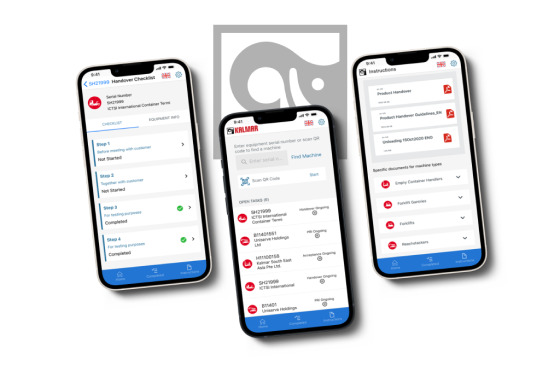
The PDT app was our first big step into the digital world using apps and Cloud solutions. By implementing this app, we could, with one tool, solve multiple issues that we had with our delivery process of new machines to our customers. The app helps us improve the machine quality, shorten our lead time and increase our cash flow.

Zendev understood our vision of connecting women with the right therapists. They improved the platform, were easy to collaborate with, and meeting them in person built real trust.

We needed a tech partner who could help us scale Greenfee365 into the global marketplace, and Zendev exceeded our expectations.
Their team developed custom solutions that optimized our booking platform, resulting in faster load times and an improved user experience

Zendev provided the solution we needed. Implementing Progressive Web App (PWA) significantly improved our site speed, Google rankings, and conversion rates. The new platform has driven a 33% increase in revenue and 17% more users.

Given a very tight timeframe, we are satisfied with having a user-friendly app that we now hope to further develop and refine.
We are pleased with the collaboration with Zendev and our contact person Aida, who has been very available, helpful, and quick. Thank you!

We struggled with outdated AutoCAD renders and no good way to manage large-scale 3D scans. Zendev solved both.