How we work

Services / SaaS development
Avidnote, our own product, has 70,000 researchers using it across 100 universities including Princeton and Cornell. Linkbound hit $25K ARR in its first week. Robinize was Product Hunt's #1 product of the day.
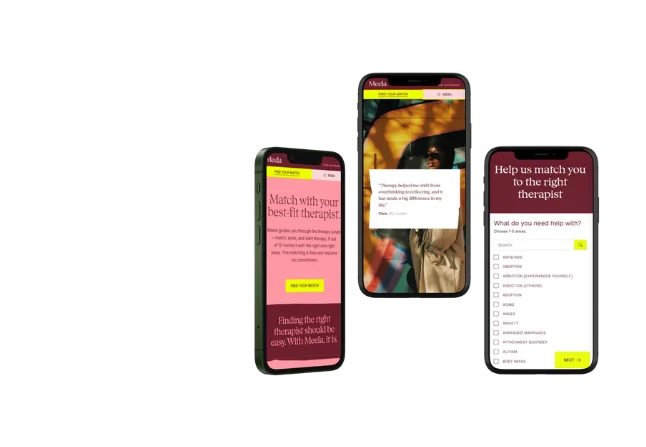
We've built SaaS that pays its own bills, and we apply the same playbook to client work: Meela Health raised €2.6M on the matching algorithm we built for them.
Trusted by




WHAT WE BUILD
SaaS isn’t one thing. Building a vertical product for accountants is nothing like building a multi-sided marketplace, and an AI-native tool ships differently from a B2B platform with enterprise integrations. Here’s where we have the deepest track record.

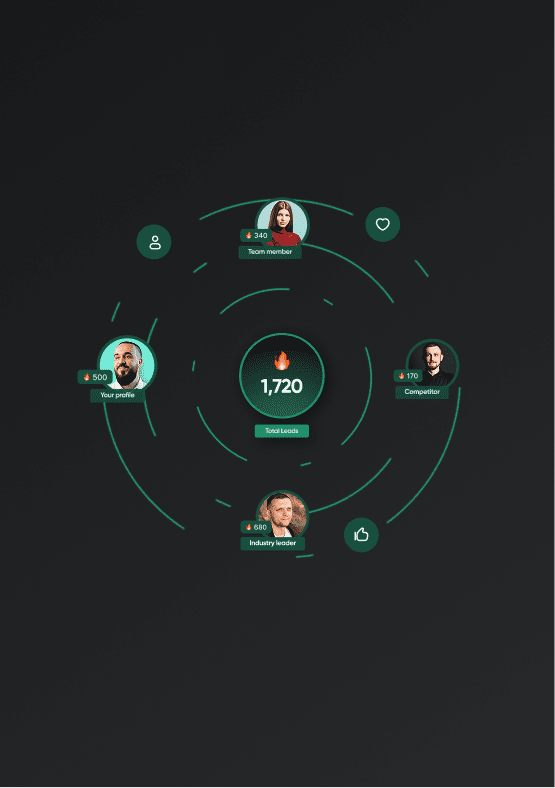
Products where AI is the product, not a feature bolted on. Avidnote uses AI to help researchers analyze papers and synthesize data, with 70,000 users across Princeton, Cornell, and 100 other universities. Robinize uses AI to optimize content for SEO and was Product Hunt’s #1 product of the day. Linkbound applies AI to LinkedIn engagement data and hit $25K ARR in its first week. We’ve shipped AI-native SaaS across research, marketing, and sales.

SaaS where the algorithm is the product. Meela Health raised €2.6M in seed funding on the therapist-patient matching algorithm we built. Marketplaces, matching platforms, and two-sided products live or die on the logic that pairs supply and demand. We build the algorithms, the rating and review systems, the booking and payment flows, and the analytics that prove the matching works.

SaaS designed to be sold into companies that already have stacks. Salesforce, HubSpot, SAP, NetSuite, Slack, Microsoft 365. We’ve built B2B SaaS that integrates into existing customer environments through APIs, webhooks, and SSO, with the audit trails and admin controls enterprise buyers ask for. SOC 2 readiness, role-based access, and data residency aren’t afterthoughts. They’re scoped from week one.

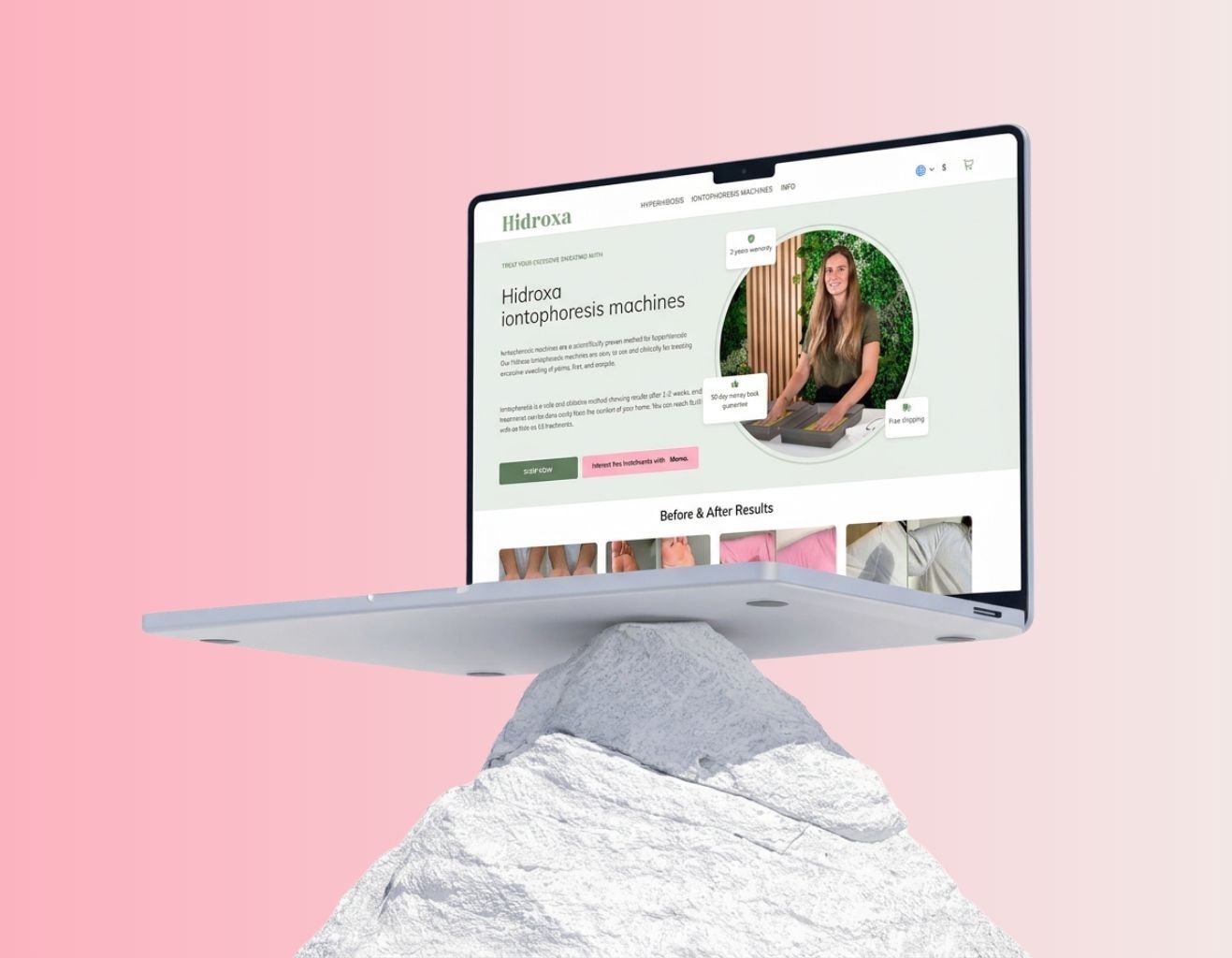
Industry-specific SaaS where the workflows are too specialized. We’ve co-owned and grown Hidroxa, a SaaS for product lifecycle management in fashion, by 33% in revenue after the platform rebuild. We’ve built SaaS for property management, foster care, sports performance (NDA), and industrial tooling. We build software that maps to how the industry actually operates instead of forcing your customers into a generic tool.
HOW WE APPROACH SAAS
Most SaaS projects fail because of the things nobody discusses at kickoff. Churn from the wrong onboarding flow. Pricing that punishes power users. Activation gaps between signup and the moment users feel the product working. We’ve felt all of these inside Avidnote, Linkbound, and Robinize. When we tell you a feature should wait or a pricing model won’t survive scale, it’s because we’ve shipped the wrong version ourselves and rebuilt it.
User numbers without revenue are vanity. We build the parts most SaaS projects skip until later: pricing pages that convert, billing that doesn’t break at scale, role-based access for team plans, and the analytics that show you which features drive paid conversion. Linkbound hit $25K ARR in its first week because the paid flow was built into the MVP, not bolted on after launch.
We ship a minimum viable version, get it in front of paying users, then build what they ask for instead of what we assumed. Avidnote shipped without half the AI features it has today. Those features came after we watched 70,000 researchers use the product and saw what they actually needed. Most SaaS budgets get burned on features users never adopt. We design the cycle so yours doesn’t.
WHAT CLIENTS SAY

The PDT app was our first big step into the digital world using apps and Cloud solutions. By implementing this app, we could, with one tool, solve multiple issues that we had with our delivery process of new machines to our customers. The app helps us improve the machine quality, shorten our lead time and increase our cash flow.

We struggled with outdated AutoCAD renders and no good way to manage large-scale 3D scans. Zendev solved both.
What I appreciated most in our partnership was the way I could explain our business to you and how we could develop the online store to fit our needs.
The 110% commitment we received from Zendev was truly remarkable.

Zendev understood our vision of connecting women with the right therapists. They improved the platform, were easy to collaborate with, and meeting them in person built real trust.

Zendev really transformed our entire tech situation in the company. We had this big backend system that was overwhelming us, but now it’s running beautifully.

Zendev provided the solution we needed. Implementing Progressive Web App (PWA) significantly improved our site speed, Google rankings, and conversion rates. The new platform has driven a 33% increase in revenue and 17% more users.
FAQ
SaaS projects at Zendev start at €40,000 and scale based on scope, AI complexity, integrations, and how production-ready the product needs to be at launch. Cost depends on whether you’re shipping an MVP for paying users or a full platform for enterprise customers. Our delivery team works from Mostar and Sarajevo while client work happens in Gothenburg, which lands us between Swedish in-house rates and offshore alternatives. Discovery week gives you a precise estimate.
A working MVP for paying users usually ships in 3 to 6 months. A full SaaS platform with enterprise integrations, multi-tenancy, and admin tooling takes 9 to 18 months. Linkbound shipped in weeks and hit $25K ARR in its first week. Avidnote shipped a minimum version and grew to 70,000 users over the following years. The right timeline depends on how much you need at launch versus how much you can ship later.
In-house works when you have a senior product and engineering team ready to ship from day one. An agency like Zendev makes sense when you don’t have that team yet, when speed matters more than building hiring infrastructure, or when you want to learn from a team that has shipped SaaS before. Several of our clients started with us and brought development in-house later. We handed everything off cleanly and kept advising.
Yes. We’ve shipped pricing pages, billing flows, and paid conversion funnels for our own SaaS products (Avidnote, Linkbound, Robinize) and for clients. We can help you design pricing tiers, build the billing logic, integrate Stripe or alternative payment providers, and set up the analytics that show you which features drive paid conversion. We don’t replace a full go-to-market team, but we know what makes a SaaS payable versus pretty.
You own everything from day one. Code, repository, AWS or Azure accounts, deployment pipelines, customer data, documentation. All of it lives in your accounts, not ours. We don’t lock you into proprietary frameworks or charge fees for access to what we built. If you ever bring development in-house or raise a round and want to switch providers, you take everything with you. Several Zendev clients have done exactly this.
Yes. Most of our SaaS clients stay on for ongoing development long after launch. SaaS doesn’t have a launch date so much as a continuous shipping cycle: new features, scale-up infrastructure work, integrations to enterprise systems, security and compliance upgrades. We offer flexible post-launch arrangements from full embedded teams to fractional engineering. Several of our SaaS clients have worked with us for 5+ years through multiple stages of growth.